BRUCE JOHNSON
This folder is dedicated to the writings of Professor A J B (Bruce) Johnson, perhaps best-known as the author of the Oxford Companion to Australian jazz (1987). A prolific writer on Australian jazz, his articles on this website already appear in many folders, and in the fulness of time they will hopefully be uploaded to this folder. Click on the INDEX button for a list of articles in this folder.
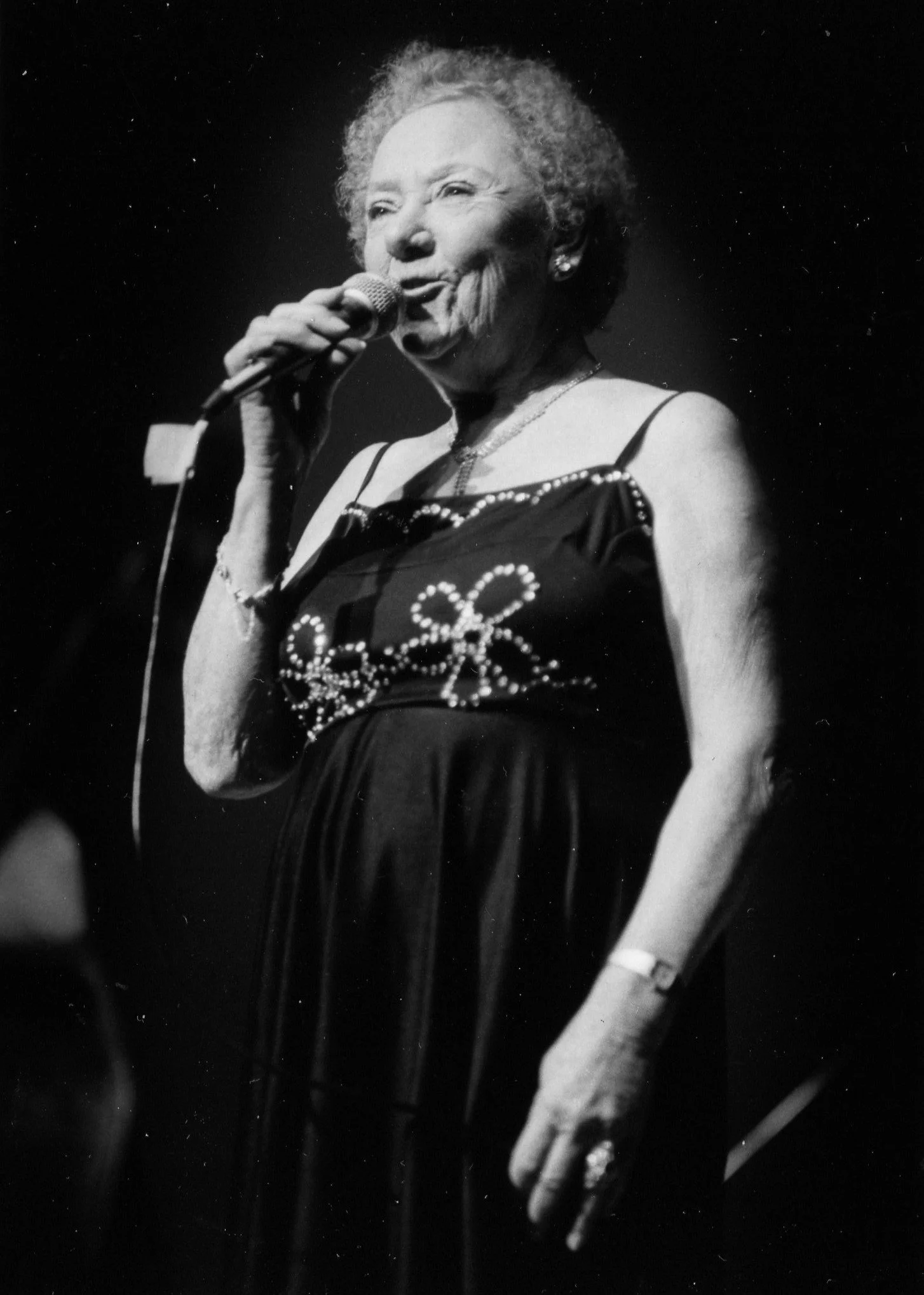
Nancy Stuart
A TRIBUTE TO NANCY STUART
by Bruce Johnson
Jazz Magazine, May/June, 1982
The best jazz musicians and singers have several avenues along which to explore their talents. Take singers for example. Ella Fitzgerald's music virtually expresses a philosophy of art, music as a transcendence of self in a brilliant and abstract virtuosity. On the other hand a singer like Billie Holiday might be said to express a philosophy of life: "I've been around, and it hurt a lot". Billie's singing was essentially private, the audience eavesdroppers on a rueful meditation. Then there are singers in the tradition of Sophie Tucker. Their music is also a philosophy of life: “I’ve been around and, boy, am I having a ball". The audience aren't eavesdroppers; they're guests at a party. And there you have Nancy Stuart…
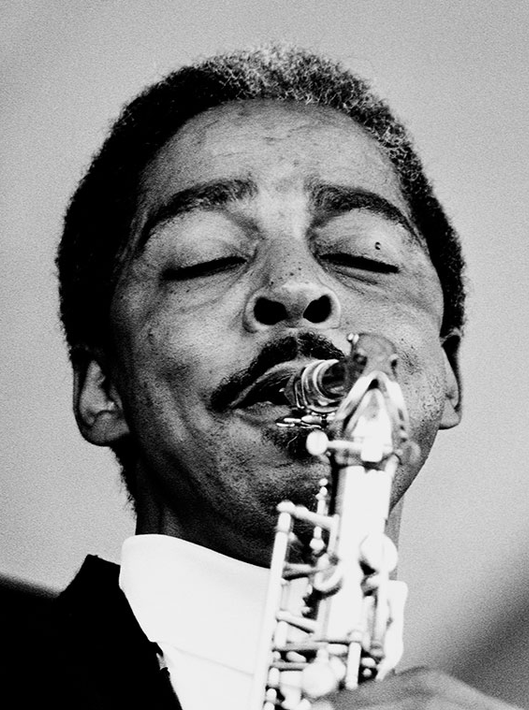
Sonny Criss
SONNY CRISS: LACK OF RECOGNITION
by Bruce Johnson
Jazz Magazine, July/August, 1982
The irony of the black jazz musician's situation in his own country is by now a weathered cliche: ignored in the US, feted everywhere else; forced to endure the shabbiest of working conditions in his homeland, yet idolised in Europe. It is a situation which at one time or another has made exiles, temporary or permanent, of many of America's best jazz musicians. In the case of Sonny Criss the cliche must be brought out and polished up again…
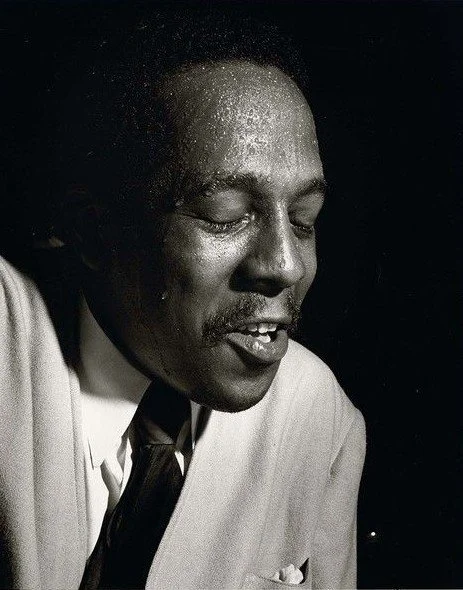
Bud Powell
INNER FIRES: THE GENIUS OF BUD POWELL
by Bruce Johnson
Jazz Magazine, September/October, 1982
For Lennie Tristano, what set Bud Powell apart was something to do with his articulation; he could make his fingers reproduce exactly what he felt. Powell's music transcended the instrument, the nuts, wires, wood, felt and ivory, and became something more immediate. Tristano made an illuminating comparison with Tatum: giant technician though he was, he produced a generalised effect of a piano played magnificently. In Powell's work every note had a value, the feeling of choice and deliberation even at speed. It represented the thrust of a whole personality and not just a finger striking a key. Everything that can be said about Bud Powell is said more succinctly by his work, as on this recorded example, never previously issued…