BRUCE JOHNSON
This folder is dedicated to the writings of Professor A J B (Bruce) Johnson, perhaps best-known as the author of the Oxford Companion to Australian jazz (1987). A prolific writer on Australian jazz, his articles on this website already appear in many folders, and in the fulness of time they will hopefully be uploaded to this folder. Click on the INDEX button for a list of articles in this folder.
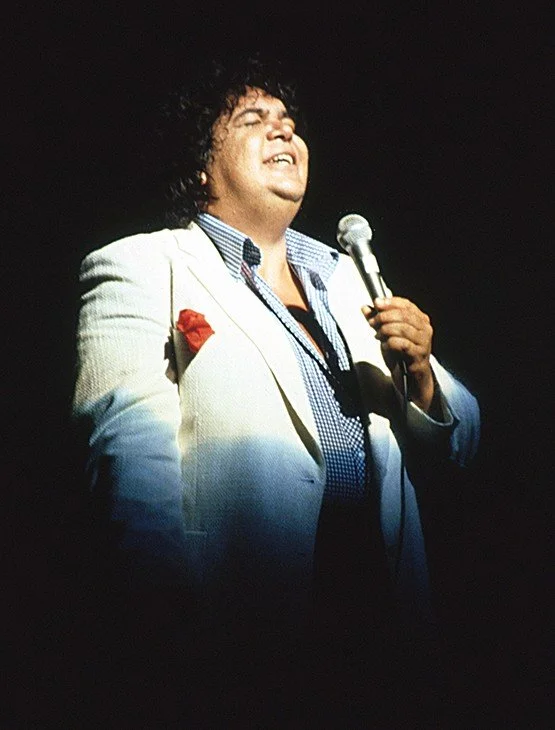
Ricky May
RICKY MAY WITH THE JULIAN LEE ORCHESTRA
by Bruce Johnson
Jazz Magazine, Spring, 1983
This double album is a swing orchestra showcase for Ricky May, presenting a programme of songs from the 30s and 40s, all of them associated with jazz performers of the day. It's a first rate performance of its kind, and at the same time it reminds us of some of the more irritating anomalies associated with the situation of jazz musicians in the music industry. The latter point is related to hype, image, the way in which various sections of the music community perceive each other. To begin with, and for example: for a few months a couple of years ago the general public formed the opinion that Billy Field was Australia's leading jazz singer. That was because the general public was told to believe as much, in the interests of selling a single called Bad Habits. Public fame, that is, has little relation to talent or truth; rather, it is an expression of the profit motive, an extension of packaging…
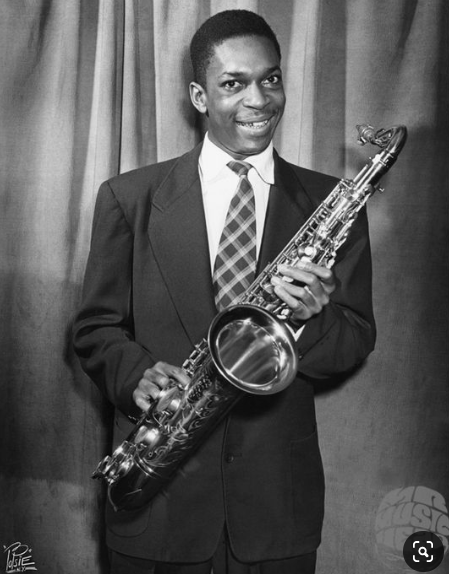
John Coltrane
JOHN COLTRANE
by Bruce Johnson
Jazz Magazine, Spring, 1983
This reissue, originally Prestige 7105, presents Coltrane's first recorded essay as a bandleader, dating from May 31, 1957. The rhythm section he picked consisted of the highly influential Paul Chambers on bass and the youngest of the Heath brothers, Al, on drums. Red Garland plays piano on three of the six tracks, Mal Waldron on the others. The latter's dark and moody solo on Chronic Blues is particularly noteworthy. Except for two quartet tracks (with Garland on piano) the rest of the front line consists of two comparatively obscure musicians, Sahib Shihab, aka Edmund Gregory, was later to spend considerable time in Europe working with, inter alia, the Clarke-Boland Big Band, before returning to the States in 1973 to settle in LA. The trumpeter was Johnnie Splawn, whose playing discloses his avowed admiration for Clifford Brown…