BRUCE JOHNSON
This folder is dedicated to the writings of Professor A J B (Bruce) Johnson, perhaps best-known as the author of the Oxford Companion to Australian jazz (1987). A prolific writer on Australian jazz, his articles on this website already appear in many folders, and in the fulness of time they will hopefully be uploaded to this folder. Click on the INDEX button for a list of articles in this folder.
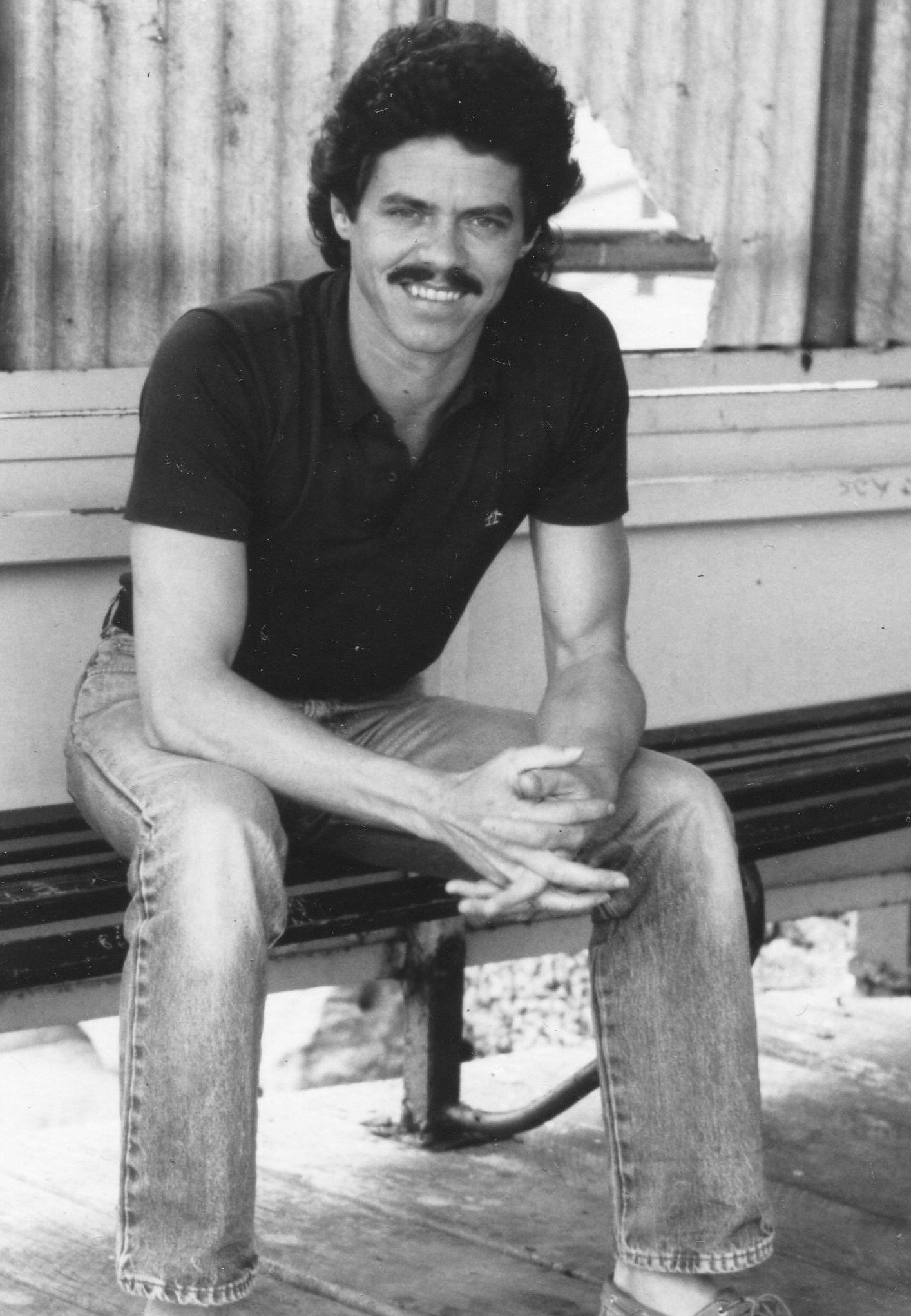
Kirk Lorange
CURRENT APPROACHES TO THE GUITAR
by Bruce Johnson
Jazz Magazine, Winter/Spring, 1984
As a group, these albums constitute a fairly broad cross-section of current approaches to the guitar through a range of styles. I'm not sure if there's a moral in this, but the most interesting examples are working on the edge of, if not somewhat outside, the category of jazz. Mark O'Connor has been both an American Fiddle Champion and Flatpick Guitar Champion, and on this LP, is promoted as being "in the forefront of the Bluegrass/Jazz fusion movement". He plays all two dozen or so instruments heard, ranging from violins, cello, through guitars, mandolins, to percussion. There is no questioning the spirit and musicianship evident on the LP, but I cannot see that the jazz content is very substantial, notwithstanding the promotional claim. The scales used include little if any of the distortions associated with jazz, nor is there any significant element of syncopation or other rhythmic complexity: indeed, I found the unremitting regularity of the tremolo somewhat tedious after a while. What this means is not that this is an inferior performance — quite the contrary…
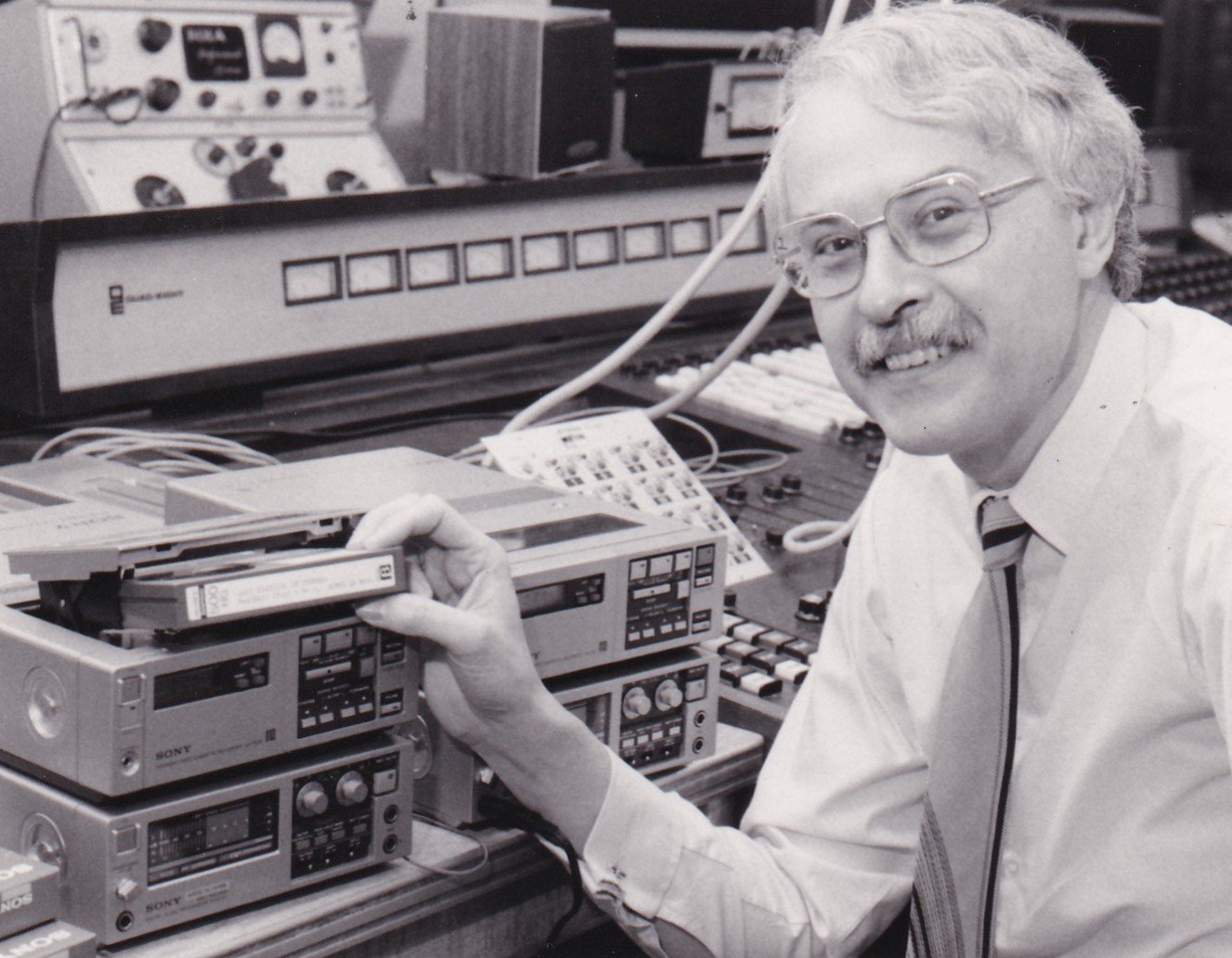
Robert Parker
JAZZ CLASSICS IN STEREO
by Robert Parker
Jazz Magazine, Winter/Spring 1984
I believe that my digital enhancement project is much too important to the future propagation of some of the finest music created in the Twentieth Century to allow to pass without comment the problematical assessments made in the Summer/Autumn 1984 issue of Jazz Magazine by Bruce Johnson in his record review of ABC L 38149 New Orleans. The album is the first of a series which will initially be made up of anthologies, aimed at placing the pioneer jazzmen in their historical context. New Orleans contains the finest examples I have been able to uncover (in terms of both artistic worth and recording quality) of the great pioneers such as Oliver, Morton, Armstrong, Dodds, Allen, Bechet and the Original Dixieland Jazz Band… How Johnson can describe such a glorious cross-section of great jazz as being "an anthology spread too thinly and haphazardly" is quite beyond me…
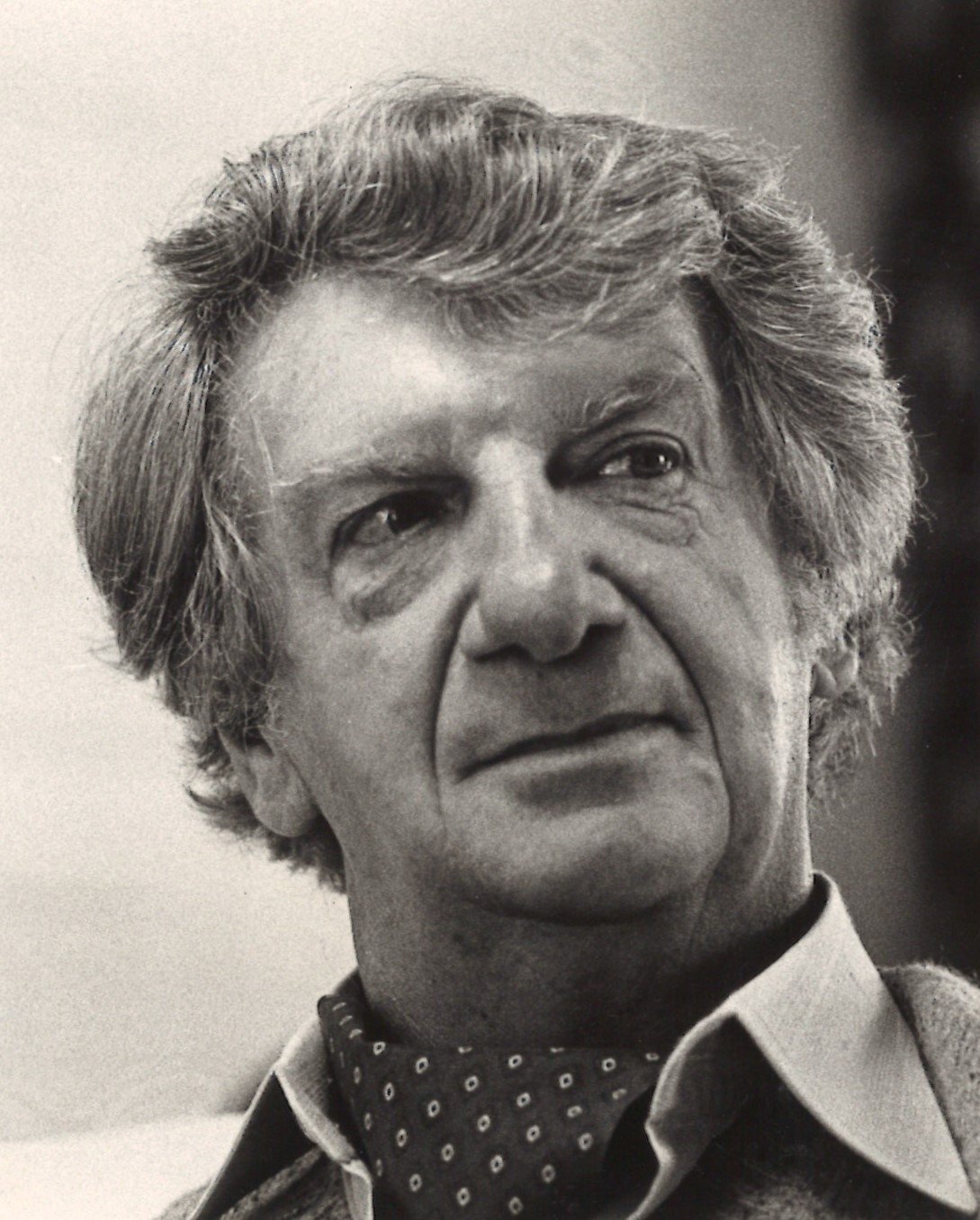
Don Harper
DON HARPER’S AUSTRALIAN CHAMBER JAZZ ENSEMBLE
by Bruce Johnson
Jazz Magazine, Winter/Spring 1984
Since the combination of guitar and violin immediately suggests the style of the Quintet of the Hot Club of France, it's probably useful to begin by saying that, apart from that instrumentation, this is not a recreation of the Reinhardt-Grappelli partnership. It is contemporary mainstream jazz, in the sense I have defined in another review in this issue. The music is highly accessible to most jazz audiences. It moves closest to the leading edge on Harper's own composition, Sydney Sunday, with its non-traditional structure, deliberate dissonances and, especially in Julian Lee's and Steve McKenna's solos, its more open harmonic possibilities. But generally, no conceptual frontiers are extended here, although as Dick Hughes notes on the sleeve, it might be the first time a jazz performance on the viola has been recorded (on St Thomas)…